




Hit enter to search or ESC to close
Share with
Can I build a Shed on the Boundary Line?
7 January 2026
Backyards across Australia can be tight, and finding space for a garden shed often feels impossible. But finding the perfect spot is just half the battle. The moment your construction creeps toward the boundary, things shift from simple DIY to navigating planning permit rules, building regulations, and expectations from your local council. What sounds like an innocent storage project can quickly become development approval territory depending on where your shed is located, how it’s constructed, and what you plan to use it for.
To make sense of it all, here’s a clear, easy-to-follow rundown of what actually happens when a shed gets a little too cosy with the boundary line.
Quick Answer
In many residential zones across Australia, you can build a shed close to the boundary without too much drama. But once that shed sits directly on the boundary, extra conditions are generally required. These include limits on wall height, fire safety requirements, floor area, how the structure is constructed, how close it sits to other buildings on the same allotment, and whether the shed complies with the building code. Whether you need a planning permit, building approval or planning approval depends heavily on your state, local council and how the shed is used.
Why Building on the Boundary Line Isn't Straightforward
It’s tempting to tuck a garden shed right up against the fence line, especially when your backyard or allotment feels a bit limited. But the moment a shed touches that boundary, you’re no longer dealing with a simple storage structure.
Even a small change, like whether the shed is forward or behind the front wall of the house, can shift it into a different class of building. And once a shed rises above 2.4 metres, uses certain materials or occupies larger floor areas, councils often treat it as a different class altogether. What starts as backyard storage can quickly transform into something that triggers building work assessments and formal approval.
Different States Have Different Rules
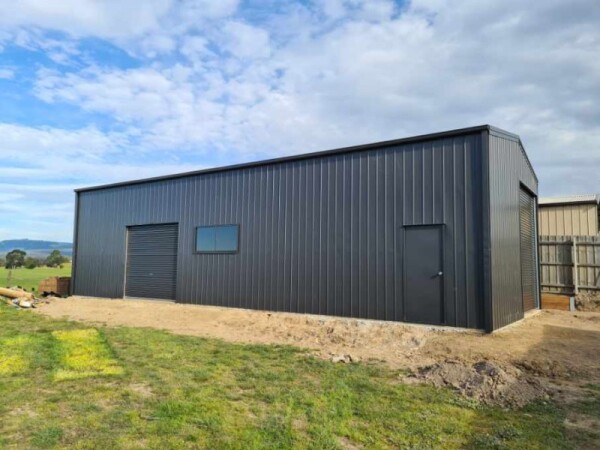
What counts as “acceptable” can change dramatically depending on whether you’re in Queensland, South Australia, Western Australia, Victoria, New South Wales, the Northern Territory, or Tasmania. Some states allow small, non-habitable sheds without any building approval, while others require a planning permit if the shed is constructed close to the boundary or near other buildings.
Your local council can also apply its own regulations on top of the state rules, especially around fire safety and how close a structure can be located to a dwelling or garage. This is why two sheds that look identical on different properties may need completely different types of approval. It all depends on zoning, ground level, and the surrounding structures.
An Example of How Rules Can Differ
Imagine two neighbours each building the same small shed. In Victoria, the shed might be allowed without a permit as long as it stays under 2.4 metres and isn’t built forward of the house. But shift that same shed to a property in Western Australia, place it on the boundary instead of one metre back, and the local council could require planning approval simply because the structure sits too close to the fence.
That’s how quickly the location, ground level and surrounding buildings can create different requirements for the same project.
When Is Approval Needed?
Every state approaches boundary-line builds differently, but approval is generally required when the shed sits directly on the boundary, exceeds height limits, uses high-risk materials or is constructed close to a dwelling, garage or other structures on the allotment. Lightweight garden sheds often slip under the radar, but sheds greater in size or used as an associated building (like a workshop, hobby room or small office building) tend to trigger development approval.
You may also need a permit if the shed is forward of the dwelling, sits near the front wall of the house or involves construction work like electrical fit-outs. Once a shed starts looking more like a regular building than backyard storage, councils usually step in to make sure it complies with the building code.
Understanding Setback Requirements
Setback requirements exist to make sure there’s enough space between buildings to protect both your property and your neighbours’. While a one metre setback is common, councils often adjust this distance depending on zoning, ground level and the building class.
But a shed located directly on the boundary will usually meet tougher fire safety rules and sometimes be constructed from masonry or other non-combustible materials. Wall height on the boundary, total floor area and the shed’s use all affect whether building approval or a planning permit is required. Even shifting the shed slightly away from the fence can move it from “no approval needed” to “council approval required.”
How the Shed's Use Changes the Rules
Not all sheds are treated equally. A small garden store for tools is very different from farm sheds, workshops or hobby rooms that behave more like an office building. The more the structure is used like a habitable building, the more likely it is to fall into a different class, which triggers additional approval.
Even lining the interior, adding insulation or installing power can shift the shed into “associated building” territory, which changes how your council assesses the project.
Construction Materials and Fire Safety
Once a shed sits close to the boundary, fire safety becomes a major factor. Councils may require non-combustible materials, such as masonry, if the shed is constructed near a neighbouring dwelling, garage or other buildings. They also assess wall height, roof design, what the shed will store and whether the shed meets fire-resistance requirements.
These details often determine whether a planning permit or building approval is needed, especially in areas where properties sit close together.
When You'll Need a Private Building Surveyor
Depending on your location in Australia, you may be able to go through your local council for approval, or you may need to engage a private building surveyor. They confirm that the shed meets the building code, check fire safety standards, make sure the construction complies with the setback line and assess how the shed interacts with the same allotment and other buildings.
Using a surveyor is particularly helpful when the rules are unclear, when the ground level is uneven or when the shed might fall into a different class due to its size or use.
Start Planning Your Dream Shed Today
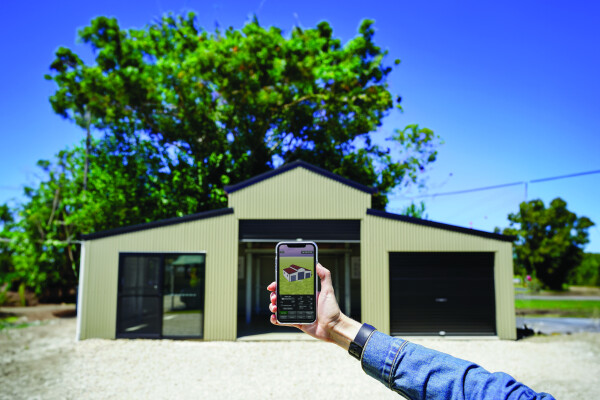
If you're planning on building a shed near a boundary and want to avoid surprises with council approval, permits or fire safety regulations, Fair Dinkum Builds makes the process straightforward. You can use our free Shed Designer App to explore layouts, adjust wall heights, test different construction materials and see how your shed fits on your property. Once you’re happy with the design, simply contact us for a free quote, and we'll guide you through the approval process from planning permit to final construction.
FAQs About Building a Shed on a Boundary Line
Can I build a shed directly on the boundary?
You can in some regions, but it often triggers extra rules around fire-resistant materials, height limits and building approval. Always check with your local council first.
Do I always need a permit for a boundary line shed?
Small sheds may not need a building permit, but anything taller than 2.4m or close to other buildings usually requires some level of approval.
What height limits apply near a boundary?
Many councils use 2.4 metres as a general guide, but this varies by state.
Does the type of shed change the rules?
Yes. A simple backyard shed is treated differently from workshops, farm sheds or any structure used like a habitable space.
Who decided if my shed complies with the building code?
Your local council or a private building surveyor can confirm whether your shed meets the required standards.