




Hit enter to search or ESC to close
Share with
Shed Wind Ratings Explained
7 January 2026
Wind ratings are one of the most important (and most misunderstood) parts of shed planning in Australia. It’s easy to focus on size, layout, or appearance, but none of that matters much if the shed isn’t designed to cope with the wind conditions it will actually face. From inland farms to exposed coastal blocks, Australian wind behaves differently depending on location, terrain, and surrounding features.
A shed wind rating exists to answer one simple question: can this structure safely withstand the wind forces acting on it over its lifetime? Getting the answer right protects your shed, your property, nearby buildings, and in some cases, people and livestock as well.
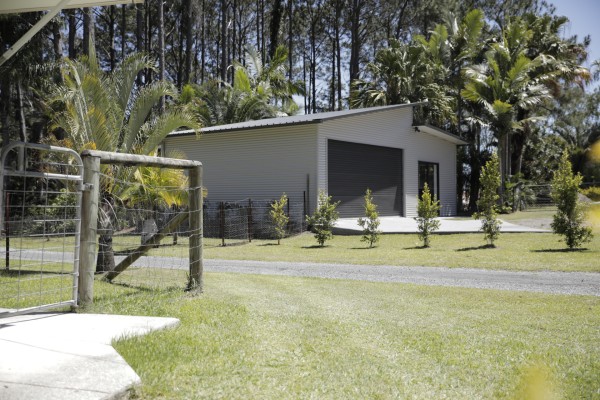
What a Shed Wind Rating Really Means
A shed wind rating is not just a label or marketing term. It’s the outcome of a detailed process defined by Australian wind codes, relevant Australian standards, and building codes. These standards look at how wind flows across terrain, how it interacts with structures, and how much pressure it applies to walls, roofs, and fixings.
Wind actions and structural design actions are calculated based on expected wind speed, direction, turbulence, and exposure. The shed design is then engineered so the structure can withstand those forces without excessive movement, damage, or failure.
Importantly, wind ratings are site-specific. A shed that performs well in one location may be completely unsuitable in another, even if the two sites look similar at first glance.
Australian Wind Ratings and Why They Exist
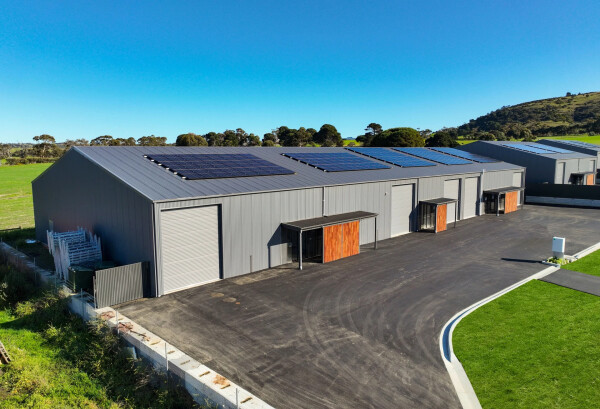
Australia is divided into several wind regions that reflect long-term weather conditions, extreme events, and the likelihood of cyclones. These regions are shown on official maps and used nationwide for engineering and planning purposes.
-
Region A – normal inland coastal and inland areas
-
Region B – intermediate winds
-
Region C – tropical cyclonic areas
-
Region D – severe tropical cyclonic areas
These regional classifications directly influence the design wind speed used in calculations. For example, a shed built in a coastal Region C location must withstand significantly stronger winds than one in a sheltered inland area categorised as Region A. This difference affects everything from member sizes to bracing, connections, and anchoring systems.
It's also important to note that local council requirements often reference these wind regions directly, and approval conditions may specify a minimum regional wind rating for all sheds built within their boundaries.
Wind Speed, Wind Forces, and Wind Actions
Wind speed alone doesn’t tell the full story, though. What matters is how wind speed translates into "wind forces" acting on the structure. As wind hits a shed, it creates pressure on windward walls, suction on leeward surfaces, and uplift on the roof.
These wind actions vary depending on building shape, roof pitch, orientation, and exposure. Stronger winds don’t just push sideways; they try to lift, twist, and rack the entire structure. This is why connections, fixings, and bracing systems are just as important as the main frame.
Australian standards account for gusts, not just average wind speed. Short bursts of very high wind can cause more damage than steady conditions, especially if a shed is poorly designed or incorrectly rated.
Classes of Building and Importance Level
Another thing to be aware of is that not all sheds are treated equally under building codes. The class of building and its assigned importance level play a big role in determining the required wind rating.
Most sheds fall under non-habitable building classes, but their use still matters. A basic storage shed on a farm is a lot different from a structure housing valuable machinery, livestock, or essential equipment. Likewise, buildings associated with hazardous facilities or those required for post disaster recovery are given higher importance levels.
An extremely important structure is designed to withstand rarer, more severe wind events than a low-importance shed. This reduces the risk of failure when the consequences would be serious, such as damage to other property or risks to safety.
Terrain Category and Surrounding Terrain
Terrain category describes how rough or smooth the land around the site is and how much it disrupts wind flow. This is one of the most influential factors in wind rating calculations.
Open terrain, such as flat paddocks or cleared farmland, allows wind to travel uninterrupted and hit a shed at full force. Sites with few or no obstructions are considered highly exposed and attract higher wind loads.
Areas with well scattered obstructions, such as occasional trees, fences, or other structures, offer partial shielding. Heavily wooded areas or locations surrounded by buildings may reduce wind speed near ground level, but full shielding is uncommon and should never be assumed lightly.
The surrounding terrain must extend far enough in all directions to be considered effective. For instance, a single row of trees or one nearby building does not automatically provide meaningful protection.
Topography and Site-Specific Conditions
Topography is another thing that has a big impact on wind behaviour. A shed located on a hill, ridge, or steep slope experiences higher wind speeds than one on flat ground, as wind accelerates as it flows up and over elevated features, increasing pressure on exposed structures.
A shed built near the crest of a steep hill is far more vulnerable than one set lower down the same slope. Coastal sites also experience different wind patterns due to fewer obstructions and the influence of weather systems over open water.
These terrain conditions are also assessed as part of the wind classification process, and the shed must be designed for its exact site rather than a general area.
Shielding and Its Limitations
You may also come across the term "shielding" when looking into wind ratings for sheds, and this refers to how surrounding features reduce wind exposure at the shed site. Partial shielding can come from trees, houses, other buildings, or nearby property. Full shielding is very rare and usually limited to dense urban environments.
When it comes to planning, the degree of shielding must be realistic and permanent. Temporary features, removable objects, or vegetation that may be cleared in the future should not be relied upon. Overestimating shielding is a common cause of under-rated sheds and subsequent wind damage.
How Wind Ratings Are Determined in Practice
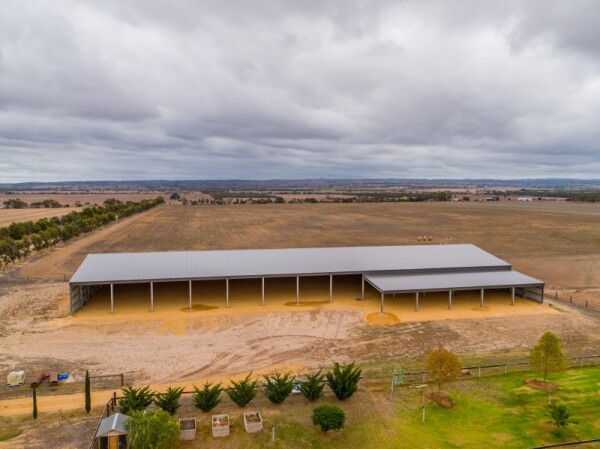
Determining the correct wind rating involves combining multiple factors. The geographic region sets the baseline wind speed, terrain category adjusts that speed based on exposure, and topography further modifies the calculation. Building class and importance level also influence safety margins.
All of this is applied using Australian standards to calculate wind actions and structural design actions. The result is a wind rating that reflects the real conditions the shed will face.
For example, a shed built on open terrain in a coastal Region C area, with minimal shielding and a low degree of obstruction, will require a much higher wind rating than a shed surrounded by trees and buildings in a sheltered inland Region B location.
Council Approval, Planning, and Compliance
Most local councils require wind ratings to be nominated during the planning or building approval process. Some councils even specify minimum ratings for entire regions, while others require site-specific assessments.
Meeting council requirements is not just about approval, though. It also affects insurance, liability, and future property transactions, and a shed built without the correct wind rating may struggle to obtain insurance or may be excluded from cover in the event of wind damage.
Why Wind Ratings Matter
In a country as large and varied as Australia, wind conditions differ dramatically between regions. Taking the time to understand wind ratings, terrain, and site conditions helps make sure your shed is built to withstand whatever the weather delivers. Ultimately, the correct wind rating protects your shed, your property, and the people who rely on it. It’s one of the most important decisions you’ll make when planning a shed, and one that’s well worth getting right.
Start Planning Your Dream Shed
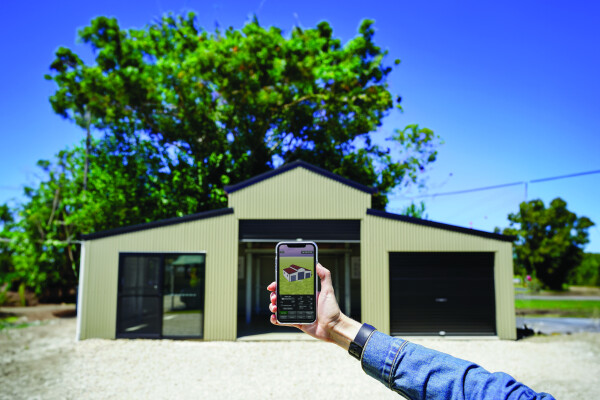
If you’re planning a new shed and want to make sure it’s designed for your location and conditions from the start, Fair Dinkum Builds makes the process simple. You can use the Shed Designer App to explore different layouts, adjust sizes, wall heights, doors and windows, and see how your shed will sit on your property before moving ahead. Once you’re happy with the design, our team can help guide you through the process so your shed is built properly and ready to handle local conditions.