







Hit enter to search or ESC to close
Can You Build a Garage on an Existing Concrete Slab?
7 January 2026
Reusing a slab is one of the most common ideas homeowners explore when planning a new garage. The floor is already there, the surface looks solid, and the idea of bypassing excavation and pouring a new slab is tempting, so it feels like an obvious shortcut. But is it possible?
In many cases, you can build a garage on an existing concrete slab. But the longer answer is that it depends on what shape the old concrete is in, how thick it is, whether any steel reinforcement was used when it was poured, and what your local building codes allow.
To figure out if your existing slab is up to the job, let’s walk through everything you need to know.
The Quick Answer
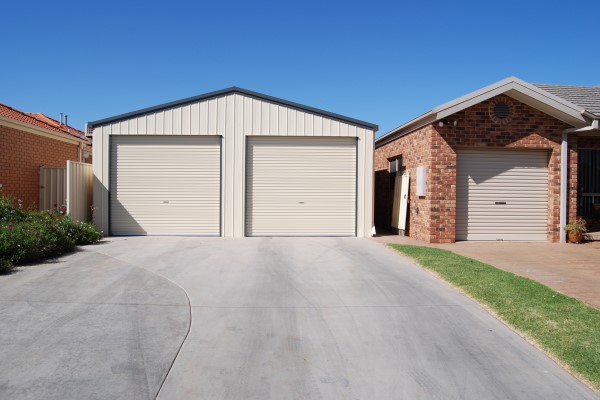
The short answer is yes, you can build a garage on an existing concrete slab, but only if the slab was originally designed to carry the load of a structure or is in good enough condition to be reinforced. A thin driveway slab, a slab full of cracks, or old concrete without proper support beneath it may not be capable of carrying new walls or a roof. A structurally sound slab, however, can save you time, money and a whole lot of digging!
What Makes a Concrete Slab Strong Enough for a Garage?
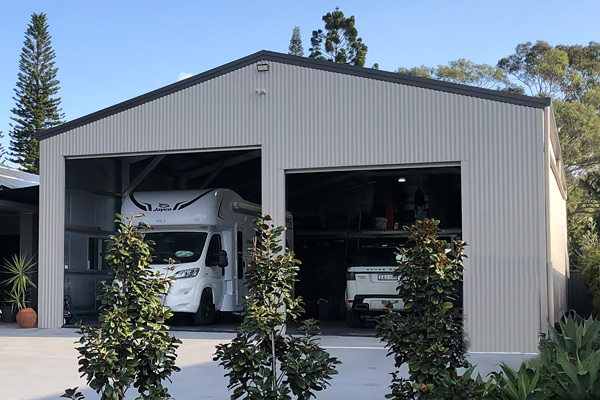
Before you get too far into planning your garage layout or choosing doors and windows, the slab itself needs to be the focus. The concrete floor becomes the base for everything, so understanding whether the current slab is strong enough is essential.
Thickness
A four inch slab is generally considered the minimum thickness for a light garage or workshop. Many older slabs, especially those poured as part of an old driveway, are only two or three inches thick and were never intended to support the weight of walls, posts, structural studs or the roof of a full garage. The thicker the slab, the better, especially around the edges where fasteners, anchors and frames are installed.
Reinforcement
A slab containing rebar or steel mesh performs far better than concrete alone. Reinforcement spreads the load across the whole structure and stops the slab from cracking under pressure. Without steel reinforcement, an older slab can weaken over time, especially if the soil below it has settled.
Cracks
Hairline cracks caused by curing are normal and often harmless, but deep cracks running through the middle of the slab, cracks that widen toward the edges, or cracks where one side has lifted higher than the other are all signs the slab may no longer be reliable. A garage needs a floor that transfers weight evenly. If your slab shifts now while it’s supporting nothing, imagine how it might behave under the weight of a full structure.
Sub-Base
A slab poured on poorly compacted soil or without gravel beneath it can sink or settle unevenly. This often shows up as sloping in the center or crumbling around the perimeter. If water flows across the slab in odd ways after rain, that may also hint at issues beneath the surface.
Drainage
Slabs that slop too much in one direction might allow water to run under the future walls, creating rot, dampness or shifting over time. Some unevenness can be fixed with a self leveling compound, but only if the slab is structurally sound to begin with.
How to Assess Your Existing Concrete Slab
Start by walking the entire surface. Look for places where the slab dips, rises or slopes unexpectedly. Run a level across different sections if you have one. A little variation is fine, but large differences or low areas that collect water are signs of potential trouble.
Next, check the edges where the slab meets soil or gravel. The perimeter is usually where damage shows first. If the slab is crumbling at the edges, that often means water has been getting under it or that the soil has shifted, and this can weaken the support for garage walls.
If you’re willing to do a little digging, exposing the side of the slab can tell you a lot, too. You’ll be able to see whether it’s a thick structural slab or just a thin layer of old concrete. You may even spot rebar, which is always a good sign, but if you discover the slab tapers to just an inch or two at the edge, that tells you immediately this floor was never intended for a garage.
Top Tip: Hire Professional Help
For a full evaluation, a structural engineer is the safest bet. They can test the slab, check load capacity, inspect the concrete’s strength and determine whether the foundation can support a garage, even if the slab has a few flaws.
What You Need to Know About Local Building Codes and Permits
Once you’ve looked at the slab itself, it’s time to research local building codes. Every council or building authority sets its own rules around garage construction, and these rules can determine whether you’re allowed to build on an existing slab without modification.
Some areas have rules about how thick the slab must be, whether insulation or vapour barriers are needed, and how close the structure can sit to your property line or retaining wall. Codes might also specify that only new slabs can be used under certain types of construction. This often comes down to load requirements, stormwater regulations or how the new garage ties into the house.
Navigating these regulations and codes and can be confusing, but the expert team at Fair Dinkum Builds can do this for you, giving you peace of mind that every relevant box has been ticked before building starts.
What to Do if the Slab Isn't Suitable
If your existing slab has a few flaws, that doesn’t automatically mean you need to tear it out. You actually have a few options depending on what’s wrong with it.
Add Footings
If the slab is mostly in good shape but simply too thin, you may be able to add proper footings around the perimeter. This involves digging trenches around the slab, pouring deeper concrete, inserting rebar and tying everything into the old slab. This gives the walls and roof something strong to anchor into and means the slab itself only needs to function as the garage floor rather than the full structural support.
Levelling Compound & Expoxy Injections
If the concrete is solid but uneven, a levelling compound can be used to create a smooth surface before building. However, keep in mind that levelling is only appropriate when the slab’s overall structure is sound. Likewise, if cracks are the main issue, many can be repaired with epoxy injections, fillers or patching compounds, but cracks caused by sinking soil, frost heave or deep structural issues usually need more than quick fixes.
Replace The Slab
If the slab has major problems like big cracks, visible sinking, a weak centre, or no reinforcement, replacing it is almost always the best choice. Pouring a new slab lets you control thickness, reinforcement, drainage and alignment. While it adds to the cost, you’ll have a foundation that lasts for decades.
Construction: DIY vs Professional Building
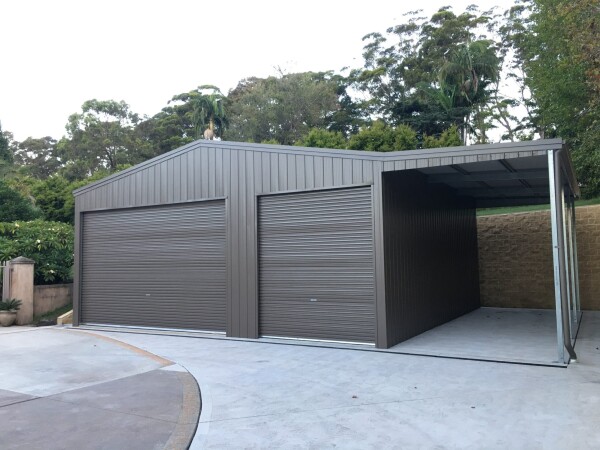
Once the foundation question is settled, you can start thinking about who’s going to build the garage. Some people love the idea of tackling it themselves, especially if they enjoy hands-on projects and already have a solid slab to work with. If that’s you, a garage kit can be a really practical option, as they take a lot of the guesswork out of construction with pre-cut components and clear instructions that guide you through each step.
But if your slab needs reinforcement, patching, footings, or any kind of professional assessment, hire professionals is often the safer route. Builders know how to handle old concrete, how to drill anchor bolts into an existing slab properly, and how to align the structure so it meets local building codes.
Costs
If your current slab is in good condition, you can save both time and money by reusing it. Site preparation becomes faster since you’re not digging, levelling, or pouring a new pad. But don’t assume reusing the slab will automatically be cheaper. If the slab needs major repairs, added reinforcement, or new footings, costs can creep up quickly.
On the other hand, starting fresh gives you a brand-new slab designed exactly for your garage, free from any old-concrete surprises. While you’ll pay more upfront, you get peace of mind knowing your foundation is built for the long haul.
Start Planning Your Dream Garage Today

Fair Dinkum Builds makes the planning stage of garage building incredibly simple with our Shed Designer App. You can play around with layouts, sizes, wall heights and roof styles, and see your garage come to life before you commit to anything. When you’re ready, reach out for a free quote. We’re here to help turn that design into a garage built for real life!
FAQs About Building a Garage on an Existing Concrete Slab
Can I anchor garage walls to an existing concrete slab?
Yes, you can, as long as the slab is strong, level and free from major cracks. If not, it's often better to start from scratch with a new concrete slab before building a garage on top.
Is a four inch slab enough for a garage?
Often it is, but only if reinforced and supported. A slab without rebar may not handle the load of walls, roof and vehicles.
What if my slab slopes?
Minor slopes can be corrected with levelling compound, but major slopes may indicate soil issues beneath the slab.
Should I keep the slab if it has cracks?
Small, stable cracks can be repaired. Large, shifting cracks usually mean it’s time for a new slab.
When should I hire a structural engineer?
Anytime you’re unsure about slab depth, reinforcement, soil stability or load capacity.