Planning permit vs building permit: what's the difference?
Get a Quote
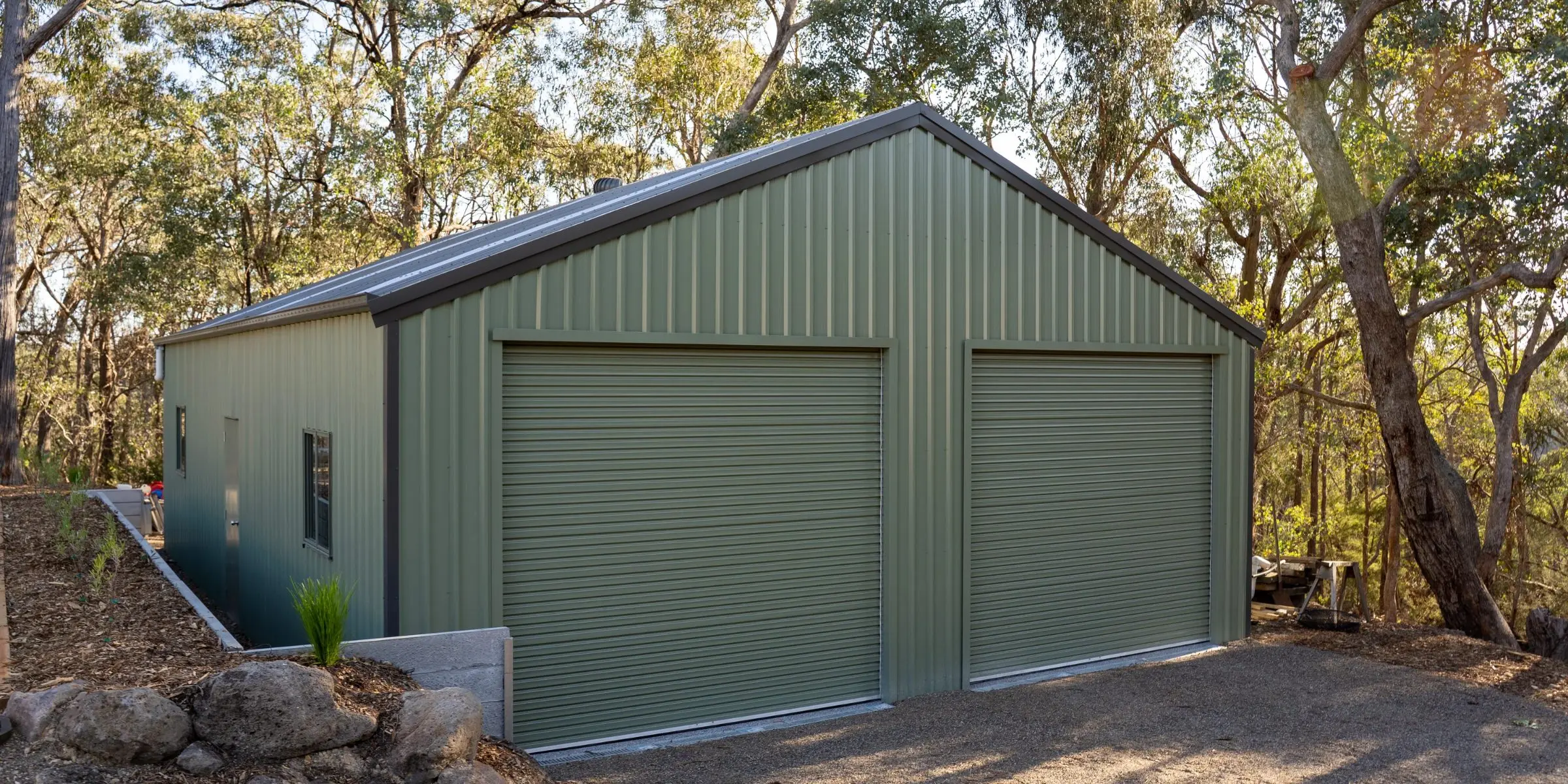
One of the first things that usually requires some clarification for shed buyers is the difference between a planning permit and a building permit. A planning permit means the local council has allowed you to develop and use the land in a particular way, while a building permit is provided by a building surveyor and proves that the design and construction meet all requirements.
They are two different systems, and your shed project may require one, both or neither of them. This guide explains what each permit includes, who provides it, in what order and what they are called in different states.
What is a planning permit?

A planning permit is a legal document from your local council that allows you to use or develop land in a particular way. As part of the planning assessment, the council checks your planning application against the planning scheme, including the zoning for your property and any overlays that apply.
This stage of the process is more about the location and purpose of the shed than the manner in which it is going to be constructed. The council may look at the intended land use, the location of the shed on the site, its proximity to boundaries and its height. Neighbourhood character might be looked at, too. If the land falls within an overlay affected by heritage, bushfire, flooding or vegetation protection, then additional rules are likely to apply.
The impact on nearby properties also comes into play. For example, a large shed close to a side fence in a residential neighbourhood is likely to attract more attention than the same shed sitting well away from other properties on rural land.
It's also quite normal for planning approval to come with permit conditions. You might get the go-ahead for the shed, but only with a certain colour, maximum height, landscaping screen or stormwater setup. Check the expiry date as well. Building work generally needs to start within the timeframe stated on the permit.
What is a building permit?

A building permit is the approval that the proposed build conforms to the building codes and the NCC (National Construction Code). This permit is different from a planning permit, as it only considers t how the structure will be built. The permit is granted by a registered building surveyor, who confirms that the design adheres to the required standards.
You can appoint a private building surveyor, or you can approach the municipal building surveyor through your local council. Once they are appointed, they will become the relevant building surveyor for the project until completion.
Their job includes checking the design for structural adequacy, including the footings, slab, framing, bracing and how the shed will be secured against wind loads. Depending on the site, the surveyor may also check fire separation from boundaries and your house, bushfire construction requirements (BAL), and drainage. During construction, mandatory inspections are carried out at key stages, ending with the final inspection.
What happens next depends on the type of building. In Victoria, your building permit states whether you'll receive an occupancy permit or a certificate of final inspection at completion. Most non-habitable sheds receive a certificate of final inspection. An occupancy permit is required for buildings people will live in, such as new homes.
Planning permit vs building permit: the key differences

A planning permit focuses on how the land can be used. A building permit looks at whether the construction meets the required safety and quality standards.
What each permit controls
Planning is concerned with land use and where the shed sits on the block. Setbacks, height, impact on the neighbours and neighbourhood character are among the things that could be taken into consideration as part of an assessment. However, a building surveyor is looking at something different: structural integrity, fire safety, energy efficiency and whether the design complies with the building regulations.
Who issues each
Planning approval is obtained from the local council in accordance with its planning scheme. Building approval, on the other hand, is issued by a registered building surveyor in accordance with building regulations.
Having one permit doesn't cover you for the other. A building permit doesn't mean the council has agreed to the shed's location, just as a planning permit doesn't confirm that its footings or structure are safe.
Which comes first, planning or building permit?

The planning permit comes first whenever both are required. A building surveyor cannot issue a building permit while a required planning permit is outstanding, because the building permit has to line up with any conditions the council attaches to the planning approval.
You don't necessarily have to finish one process before starting the other. The two applications can actually be done simultaneously, potentially saving you many weeks. While the council works through the siting assessment, your building surveyor can review the structural drawings.
Siting may be what necessitates the need for planning altogether. Looking at where the shed sits in relation to the fence line is one of the very first considerations that the council will make. The boundary setback rules will establish whether or not the planning permit is required. Get that sorted early, and your permit application can go in with the right information from the start.
What are these permits called in other states?

You’ll hear the terms planning permit and building permit in Victoria. Other states separate land use from construction, too, but not using exactly the same names. This is how the two systems are referred to throughout Australia:
- Victoria: planning permit (council) and building permit (relevant building surveyor).
- Tasmania: planning permit from council where the planning scheme requires one. Building work is then classed as low risk, notifiable or permit work. Many smaller sheds are low risk work and don't need a building permit at all.
- New South Wales: development application (DA) to the council, followed by a construction certificate. Low-impact builds that meet set standards can use a single complying development certificate (CDC) instead.
- Queensland: development approval for planning matters and building approval for construction, usually issued by a private building certifier.
- Western Australia: planning approval from the council and a building permit issued by the local government.
- South Australia: planning consent and building consent, which together form the development approval.
- Australian Capital Territory: development approval (DA) for planning, and building approval (BA) from a licensed building surveyor acting as certifier. Many sheds are DA-exempt but still need BA.
- Northern Territory: development permit for planning matters, and a building permit from a registered building certifier
The names are different, but the basic process stays the same. If you're in Victoria and want to know when approval is actually needed, read our guide to shed approval in Victoria.
Do you need a planning or building permit for a shed?

Many smaller sheds do not need any permits. On an average-sized residential lot, a compact shed that is placed well inside the boundaries will often sit within the exemption limits for that state.
However, things might be different once the shed increases in size or comes closer to the boundary lines. Height and floor space are important, and there are overlays that apply to the property. For instance, bushfire and heritage overlays may introduce further rules that need to be followed. As the threshold criteria differ from one state to another, a shed that needs no approval in one place could require two permits somewhere else. Our guide to shed approval by state breaks down the requirements for each state.
The building side is more straightforward with Fair Dinkum Builds. Our sheds are engineered for the wind region of your site and are ShedSafe accredited, so the code-compliant drawings your building surveyor needs are ready to go. We also use Australian COLORBOND® or ZINCALUME® steel. Take a look at our sheds to find one that suits your block, or use the Shed Designer to size up your project and request a quote.
Frequently asked questions
Yes, you can lodge a planning application with the council and engage a building surveyor in the same week. Send the surveyor a copy of your planning application so they know what conditions might be coming. They can work through the building permit application while the council considers the planning permit, but the building permit can't be issued until any required planning approval is in place.
In most states, a registered building surveyor or certifier. In Western Australia, the local government issues the building permit, and in Tasmania, council is the permit authority for permit work. Check their registration with your state's building authority before you engage them, and ask upfront what inspections they'll carry out and what documents they need from your shed supplier.
Often no, but an exempt shed still has to meet the standard siting rules in your state's building regulations, including setbacks and height limits. If you're unsure, ask your local council to confirm in writing that the exemption applies to your block. Keep that response with your property records in case the shed comes up when you eventually sell.
No. "Council approval" is a loose term people tend to use for any permit, but a building permit in most states usually comes from a private building surveyor rather than the council. When someone says you need council approval for a shed, they usually mean a planning permit, and it pays to ask which one they're talking about.
Council can issue a building notice or order requiring you to fix or remove the shed, and in some cases, you can apply to have it approved retrospectively instead. An unapproved structure also often surfaces during a property sale. Our guide to retrospective approval explains how the process works if you're already in that position.